How Often Should You Get Your Roof Inspected?
Your roof protects your home from harsh weather, but without regular maintenance, even the sturdiest materials can develop problems. Professional roof inspections help identify issues before they become costly repairs, ensuring your investment remains secure for years to come.
Many homeowners wait until they notice visible damage before scheduling an inspection. This reactive approach often leads to expensive emergency repairs that could have been prevented. Understanding how often to get your roof inspected—and what factors influence this schedule—can save you thousands of dollars while extending your roof’s lifespan.
What Is a Roof Inspection?
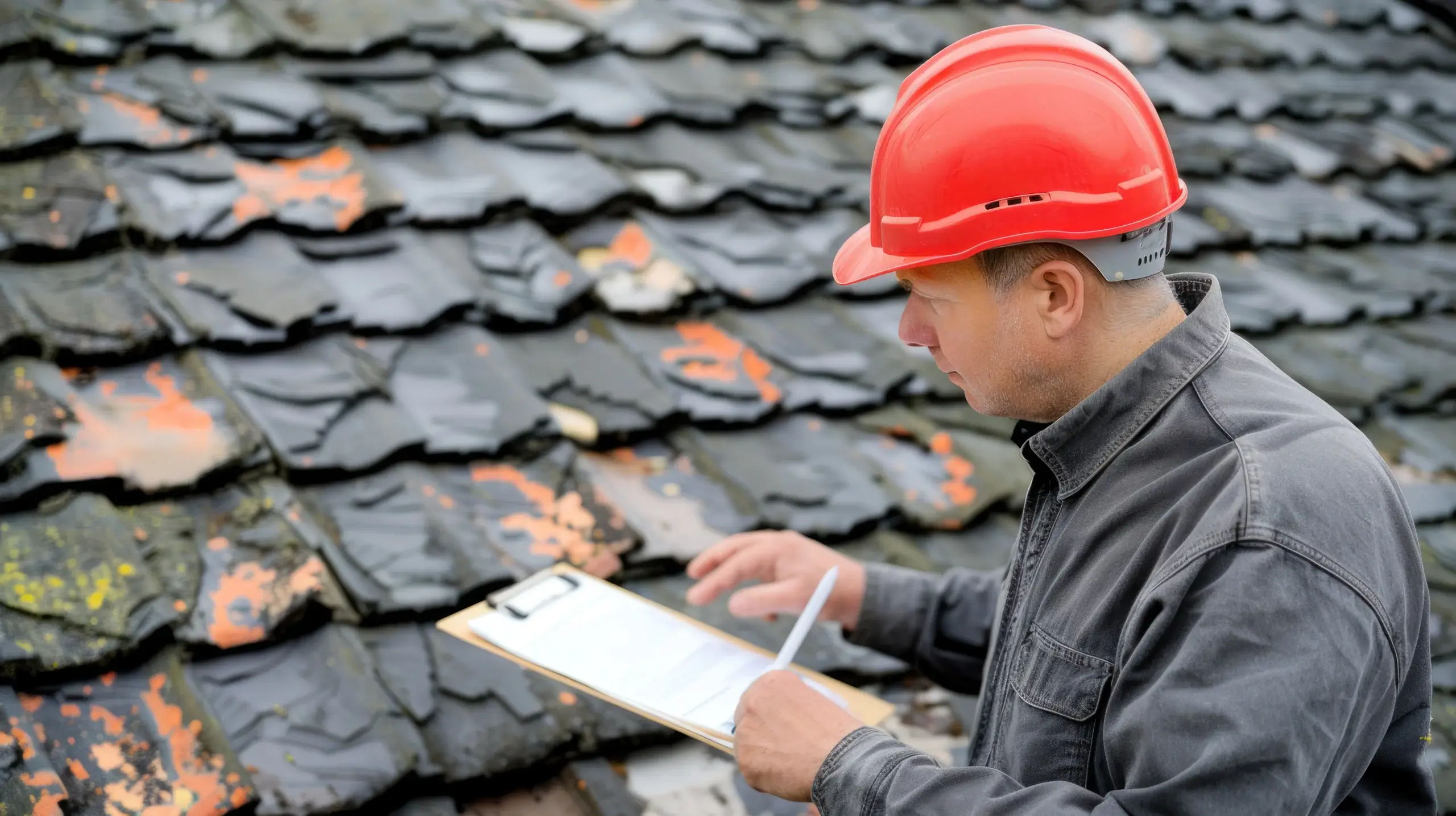
A roof inspection is a comprehensive evaluation of your roofing system conducted by trained professionals. During this process, experts examine every component of your roof to assess its condition and identify potential problems before they escalate into major issues.
What Does a Professional Roof Inspection Include?
A thorough roof inspection covers both interior and exterior components of your roofing system. Professional roof inspectors examine the roof structure, shingles or other roofing materials, flashing, gutters, and ventilation systems. They also check for proper insulation and look for signs of water damage in attics and ceilings.
Modern inspection techniques may include drone roof inspection technology, which allows inspectors to safely assess hard-to-reach areas without causing damage to your roof. This comprehensive approach ensures no potential issues go unnoticed.
What Does a Roof Inspector Look For?
Roof inspectors search for various signs of damage and wear. Common issues include missing or damaged shingles, cracked flashing, clogged gutters, and signs of water infiltration. They also evaluate the overall structural integrity of your roof and check for proper ventilation.
Metal roof inspections focus on rust, loose fasteners, and thermal expansion damage, while flat roof evaluations examine membrane integrity and drainage systems. Each type of roof requires specialized knowledge to identify material-specific problems.
The Importance of Regular Roof Inspections
Regular roof inspections are essential for maintaining your home’s protection and value. These evaluations help prevent minor issues from developing into major roof problems that require expensive repairs or complete roof replacement.
Benefits of Regular Roof Inspections
Getting an annual roof inspection provides numerous advantages for homeowners. Early detection of roof damage allows for timely repairs, which cost significantly less than emergency fixes. Regular inspections also help maintain your roof’s warranty and can prevent roof damage from voiding your home insurance coverage.
Professional roof inspections can save you money in the long run by extending the lifespan of your roof. Inspectors can recommend preventive maintenance that keeps your roof in optimal condition, maximizing your investment.
Protect Your Home with Regular Roof Inspections
Consistent roof maintenance protects more than just your roofing materials—it safeguards your entire home. Water damage from roof leaks can affect insulation, electrical systems, and structural components throughout your house. Regular roof inspections prevent these cascading problems.
Maintaining your roof through regular inspection also preserves your home’s resale value. Potential buyers appreciate well-maintained roofing systems, and inspection records demonstrate responsible homeownership.
Determining the Frequency of Roof Inspections
The frequency of roof inspections depends on several factors, including your roof’s age, local weather conditions, and the type of roofing material. Understanding these variables helps determine how often you should get your roof inspected.
How Often Should You Have Your Roof Inspected?
Most roofing experts recommend getting a roof inspection at least once per year. However, this baseline frequency may need adjustment based on your specific circumstances. Homes in areas with severe weather may need more frequent inspections, while newer roofs in mild climates might require less frequent evaluation.
The general rule is to inspect your roof every 12 months, with additional inspections after major storms or severe weather events. This schedule helps catch problems early while ensuring your roof remains in good condition throughout its lifespan.
Does a New Roof Need to Be Inspected?
Even new roofs benefit from regular inspection schedules. While newly installed roofing systems are less likely to have immediate problems, inspections help ensure proper installation and identify any issues that may develop during the first year.
New roof inspections also help maintain warranty coverage. Many manufacturers require proof of regular maintenance to honor warranty claims, making annual inspections a wise investment even for recently installed roofing systems.
Key Factors That Influence Roof Inspection Frequency
Several factors determine how often your roof should be professionally inspected. Understanding these variables helps you create an appropriate inspection schedule for your specific situation.
Your Roof’s Age – Does an Older Roof Need More Inspections?
The age of your roof significantly impacts inspection frequency. Older roofs typically require more frequent evaluation as materials begin to show wear and approach the end of their expected lifespan. Roofs over 15 years old may benefit from bi-annual inspections.
As your roof gets older, components like flashing, sealants, and fasteners deteriorate more rapidly. More frequent inspections help identify these age-related issues before they compromise your roof’s integrity.
Recent Weather Conditions – Has Your Roof Faced Any Storm Damage?
Severe weather events necessitate immediate roof inspection regardless of your regular schedule. High winds, hail, heavy snow, and ice can cause significant damage that isn’t always visible from the ground.
After major storms, schedule a professional roof inspection to assess potential damage. Even if your roof appears undamaged, a professional evaluation can identify subtle issues that could worsen over time.
Roof Material and Design – Does Your Roof Type Require More Attention?
Different roofing materials have varying inspection needs. Metal roofs typically require less frequent inspection than asphalt shingles, while flat roofs need more regular attention due to drainage concerns.
Complex roof designs with multiple levels, valleys, or architectural features may need more frequent inspection than simple gabled roofs. These design elements create additional potential failure points that require regular monitoring.
Signs You Need an Immediate Roof Inspection
Certain warning signs indicate you need a roof inspection urgently, regardless of your regular schedule. Recognizing these symptoms can prevent minor issues from becoming major roof problems.
When You Might Need a Roof Inspection Urgently
Schedule an immediate roof inspection if you notice water stains on ceilings, missing shingles, or visible damage after storms. Other urgent signs include sagging roof areas, granules in gutters from asphalt shingles, or daylight visible through roof boards.
Interior signs like musty odors, mold growth, or unexplained increases in energy bills may also indicate roof problems requiring immediate professional evaluation.
What To Expect From the Roof Inspection Process
Understanding the roof inspection process helps you prepare for the evaluation and know what to expect from professional inspectors.
What Is Examined During the Roof Inspection Process?
During a comprehensive roof inspection, professionals evaluate both exterior and interior components. Exterior examination includes roofing materials, gutters, flashing, chimneys, and ventilation systems. Interior inspection covers attic spaces, insulation, and signs of water damage.
Modern roof inspection processes may utilize drone technology for safer evaluation of steep or damaged roofs. This technology provides detailed imagery without risking the inspector’s safety or causing additional roof damage.
The Comprehensive Roof Inspection Checklist
A thorough roof inspection follows a systematic checklist covering all roofing components. Inspectors examine shingles or other roofing materials for damage, wear, or improper installation. They check flashing around chimneys, vents, and roof penetrations for proper sealing.
Gutter systems receive evaluation for proper drainage, while ventilation systems are assessed for adequate airflow. The inspection also includes structural elements like rafters and decking for signs of damage or deterioration.
How Long Does a Roof Inspection Take?
Most roof inspections take between one to three hours, depending on roof size and complexity. Simple residential roofs can be evaluated relatively quickly, while larger or more complex roofing systems require additional time for thorough examination.
The inspection duration also depends on accessibility and whether any issues are discovered that require closer evaluation. Weather conditions may also affect inspection timing.
How to Prepare for a Roof Inspection
Proper preparation ensures your roof inspection proceeds smoothly and provides the most accurate assessment of your roofing system’s condition.
How to Safely Inspect Your Roof Between Professional Visits
While professional inspections are essential, homeowners can perform basic visual checks between professional visits. Use binoculars to examine your roof from the ground, looking for obvious damage like missing shingles or damaged flashing.
Never attempt to climb on your roof for inspection purposes. Professional roof inspectors have proper safety equipment and training to navigate roofing systems safely. Limit your inspection efforts to ground-level observation and interior checks for water damage signs.
Choosing a Professional Roof Inspector
Selecting the right roofing contractor for your inspection ensures accurate evaluation and reliable recommendations for maintaining your roof’s condition.
The Tips You Need to Hire a Great Roofing Contractor for Your Roof Inspection
Choose licensed and insured roofing contractors with experience in your specific roof type. Request references from recent customers and verify the contractor’s reputation through online reviews and Better Business Bureau ratings.
Look for contractors who offer detailed written reports following inspections. These documents should include photographs of any issues discovered and clear recommendations for addressing problems.
Your Next Steps for Roof Protection
Regular roof inspections represent a small investment that protects your home’s most important barrier against the elements. By establishing an appropriate inspection schedule based on your roof’s age, material, and local conditions, you ensure early detection of problems before they become expensive repairs.
Don’t wait until you notice obvious damage to schedule your first inspection. Proactive maintenance through regular professional evaluation extends your roof’s lifespan and maintains your home’s value.
Schedule your free roof inspection with Perrault Construction today! Contact our experienced team for top-quality roofing services tailored to your needs. Ensure your investment is protected with our industry-leading warranties—Trust Perrault Construction for roofing solutions in Duluth, MN, and surrounding areas.