

Best Window Types for Surviving Cold Climates: Energy-Efficient Solutions for Northern Minnesota and Wisconsin
Installing the right windows can cut winter heat loss by up to 30% and keep your home comfortable when temperatures plunge below zero. In Northern Minnesota and Wisconsin, best window types for cold climates combine superior insulation, strategic sun-gain, durable frames and professional installation. This guide explains essential performance metrics, compares top glazing and frame options, explores advanced coatings and gas fills, and highlights why expert installation from Perrault Construction ensures maximum efficiency. You’ll learn:
- Key thermal ratings and certifications
- High-insulation window styles
- Frame material trade-offs
- Innovative coatings and spacers
- Critical installation practices
What Window Features Are Essential for Cold Climate Performance?
Windows in sub-zero conditions require low heat transfer, airtight seals and passive solar gains. Measuring insulation and heat capture ensures you choose products suited for punishing winters.
How Do U-Factor and R-Value Affect Window Insulation?
U-factor quantifies how much heat escapes (lower is better) while R-value indicates heat resistance (higher is better). A window with a U-factor of 0.30 or below and an R-value above 3.3 significantly reduces heating demand and draft issues in Northern climate zones.
| Performance Metric | What It Measures | Ideal Range |
|---|---|---|
| U-Factor | Rate of heat transfer (BTU/ft²·°F) | ≤ 0.30 |
| R-Value | Thermal resistance (ft²·°F·hr/BTU) | ≥ 3.3 |
Windows meeting these thresholds help maintain even indoor temperatures and lay the groundwork for solar heat capture.
Why Is Solar Heat Gain Coefficient (SHGC) Important in Winter?
SHGC indicates the fraction of solar energy that penetrates glass. In cold climates, a higher SHGC (0.40–0.60) harnesses winter sun to passively warm living spaces, lowering fossil-fuel heating costs and increasing comfort during overcast mornings.
What Do NFRC and ENERGY STAR Certifications Mean for Cold Climate Windows?
NFRC labels provide verified U-factor, R-value and SHGC ratings from an independent authority. ENERGY STAR certification ensures windows meet region-specific efficiency criteria and qualify homeowners for local rebates in MN and WI. Choosing certified windows guarantees the performance claimed on datasheets.
National Fenestration Rating Council, NFRC is the leader in energy performance information, and certified ratings for windows, doors and skylights. (2025)
Which Window Types Offer the Best Insulation for Extreme Cold?
Selecting the right glazing system can dramatically impact comfort and energy bills when outdoor temperatures stay below –20°F.
Why Are Triple-Pane Windows the Top Choice for Northern Winters?
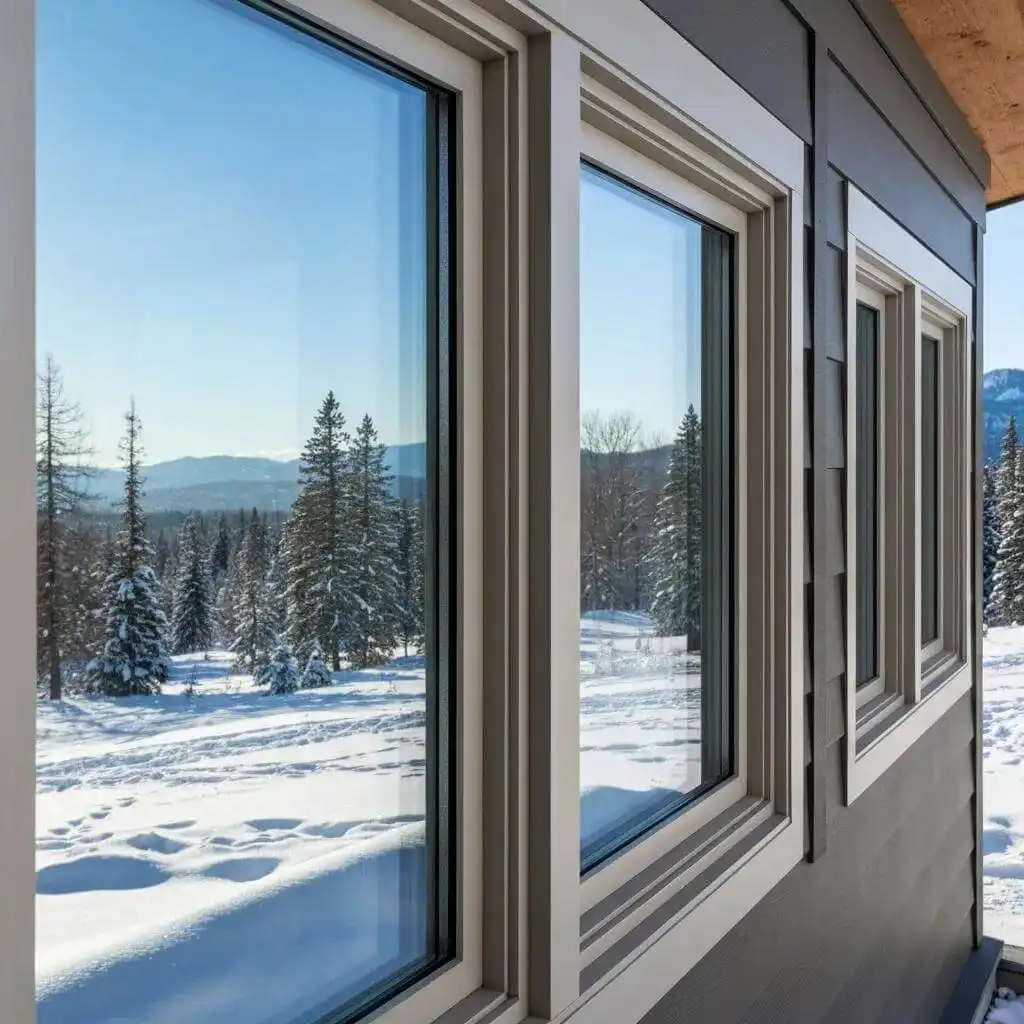
Triple-pane windows feature three glass layers and two gas-filled chambers, delivering unparalleled insulation and condensation resistance.
- Superior U-factor (as low as 0.18)
- Excellent noise reduction
- Reduced interior frost buildup
When Are Double-Pane Windows a Cost-Effective Alternative?
Double-pane windows combine two glass layers with argon or krypton fill and Low-E coatings. When budget constraints outweigh extreme performance needs, a high-quality double pane achieves U-factors around 0.25–0.30, offering reliable insulation for secondary spaces or mild winters.
How Do Casement Windows Provide Superior Airtightness?
Casement windows use a compression-seal sash that presses tightly against the frame when closed. This design minimizes air leakage, delivering a lower air-infiltration rating (as low as 0.10 CFM/ft²) and reducing cold drafts even under sustained wind pressure.
What Are the Best Frame Materials for Windows in Cold Climates?
Frame choice affects heat conduction, durability and maintenance in freezing conditions.
Why Are Fiberglass Frames Ideal for Durability and Insulation?
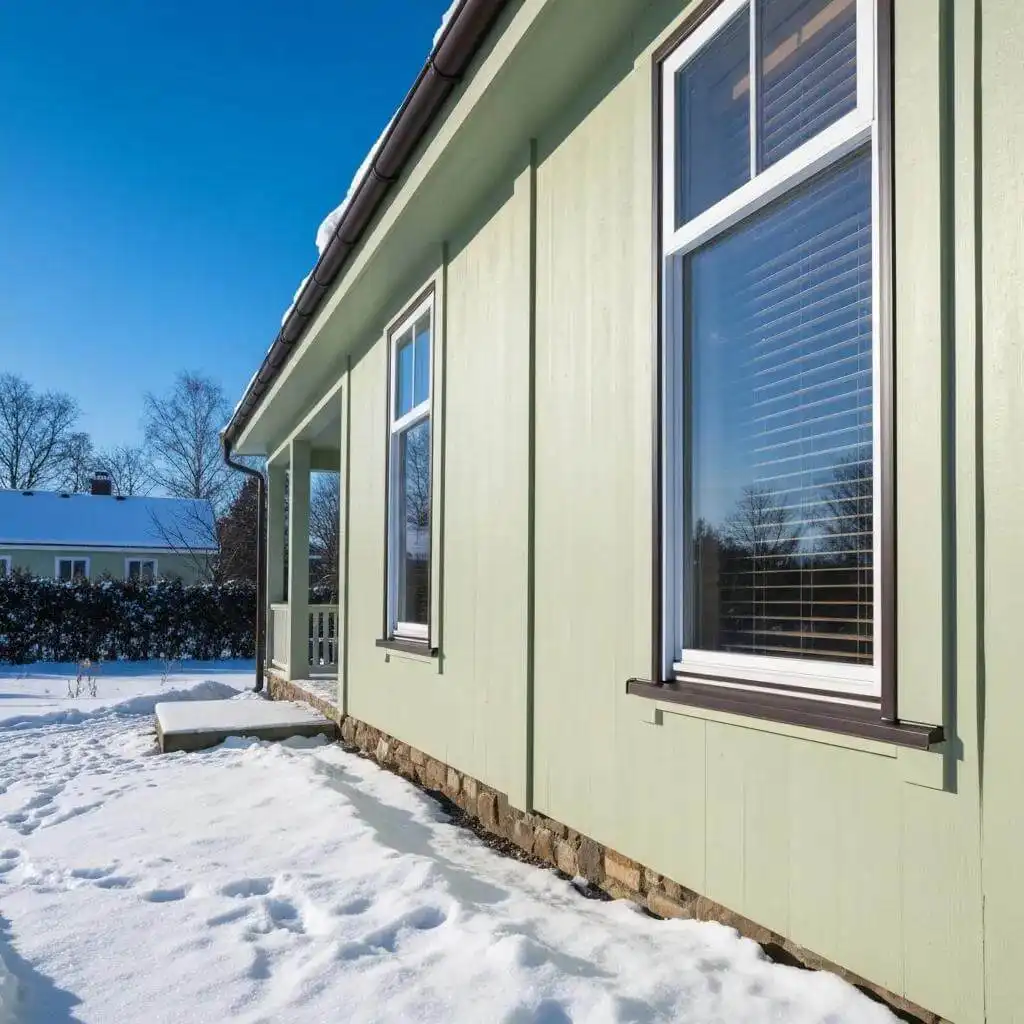
Fiberglass frames combine strength with negligible thermal expansion. Their composite structure maintains U-factors as low as 0.18, resists warping in extreme freeze-thaw cycles and requires minimal upkeep—making them a long-term investment for harsh northern winters.
How Do Vinyl Frames Balance Cost and Energy Efficiency?
Vinyl frames offer solid insulation at a lower price point, achieving U-factors near 0.25. Moisture-resistant and maintenance-free, premium vinyl extrusions can rival fiberglass in cold-climate performance while preserving budget flexibility.
What Are the Pros and Cons of Wood and Aluminum Frames with Thermal Breaks?
| Material | Advantage | Consideration |
|---|---|---|
| Wood | Natural insulation, classic aesthetics | Requires exterior protection |
| Aluminum with Thermal Break | High strength, slim profiles | Thermal break needed to reduce conduction |
Wood frames excel in heat resistance and curb appeal but demand staining or cladding. Aluminum’s strength and slim sightlines rely on polyamide or foam breaks to prevent cold bridging.
How Do Advanced Window Technologies Improve Cold Climate Performance?
Innovations in coatings, gas fills and spacers reinforce glazing’s thermal barrier.
What Are Low-E Coatings and How Do They Retain Heat?
Low-emissivity (Low-E) coatings reflect infrared radiation back indoors while allowing visible light. In winter, silver-based microscopically thin films reduce radiant heat loss by up to 30%, boosting overall U-factor performance without darkening interior views. energy efficient windows
How Do Argon and Krypton Gas Fills Reduce Heat Loss?
Argon and krypton are inert gases injected between panes to slow convective heat transfer. Argon is cost-effective and improves U-factor by roughly 10%, while denser krypton offers up to 20% enhanced insulation in narrower cavity designs.
Why Are Warm-Edge Spacers Important for Preventing Condensation?
Warm-edge spcers made of composite materials or thermally broken aluminum minimize heat conduction around glass perimeters. This reduces interior condensation build-up, protects seal integrity and preserves both performance and window lifespan.
Why Is Professional Window Installation Critical for Cold Climate Efficiency?
Even the most advanced windows underperform if gaps, improper flashing or poor sealing allow drafts and moisture infiltration.
What Installation Techniques Prevent Drafts and Heat Loss?
Effective installation relies on:
- Proper flashing to direct water away from the opening
- Continuous air-sealing with low-expansion foam or gasket systems
- Insulated mounting pads to eliminate thermal bridges
How Does Perrault Construction’s Local Experience Benefit Northern MN and WI Homeowners?
Perrault Construction’s team specializes in cold-climate window replacement, drawing on local knowledge of extreme frost, ice damming and wind loads. We integrate hail-damage services (storm-resistant window repair) and deliver free estimates, ensuring every project meets building codes and maximizes energy-savings. Request a free consultation today to upgrade your windows for the next winter’s chill.
Conclusion
Choosing the right windows for cold climates can significantly enhance your home’s energy efficiency, comfort, and long-term savings. By understanding key performance metrics and selecting high-quality materials, you can ensure your windows withstand harsh winters while reducing heating costs. Trusting professionals like Perrault Construction for installation guarantees optimal performance and peace of mind. Contact us today to schedule your free consultation and prepare your home for the next winter chill.