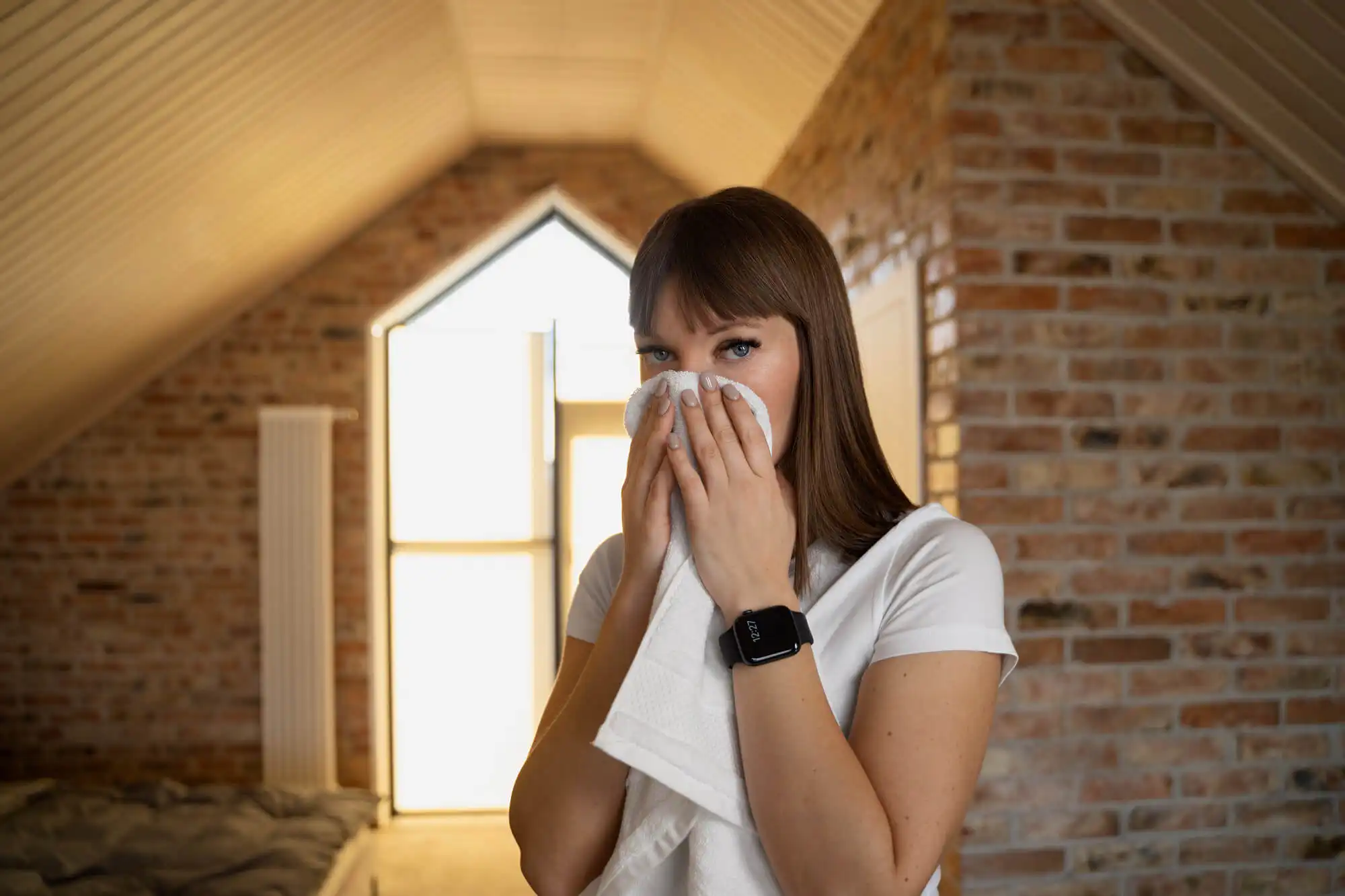
If you’ve noticed persistent allergy symptoms, headaches, or respiratory irritation, you might blame seasonal pollen or the common cold. However, the source of your discomfort could be closer than you think it might be lurking in your attic. While modern insulation is designed to be safe and effective, certain conditions can turn it into a source of indoor air pollutants. Old, contaminated, or improperly installed attic insulation can indeed contribute to health issues.
Understanding the connection between your attic and your well-being is the first step toward a healthier home. This guide will explore how different types of insulation, moisture problems, and poor installation can impact your indoor air quality and explain what you can do to resolve these issues. For homeowners in Duluth, MN, and Superior, WI, where weather extremes can test a home’s limits, ensuring your insulation is in top condition is essential for both comfort and health.
Understanding Attic Insulation and Indoor Air Quality
Attic insulation is your home’s primary defense against the elements, keeping it warm in the winter and cool in the summer. Creating a thermal barrier reduces heat transfer, which helps regulate indoor temperatures and lower energy bills. However, its role extends beyond temperature control. Proper insulation and ventilation work together to manage airflow and moisture, directly influencing your home’s indoor air quality.
When this system is compromised, your home can become a trap for allergens, dust, and other contaminants. Understanding the materials in your attic is key to identifying potential health risks.
Common Types of Attic Insulation
Homes throughout Duluth, MN, and surrounding areas often feature one of three main types of insulation:
- Fiberglass Insulation: Made from fine glass fibers, this is one of the most common insulation materials. It comes in batts, rolls, and loose-fill (blown-in) forms. While generally safe when undisturbed, airborne fiberglass fibers can irritate the skin, eyes, and respiratory system.
- Cellulose Insulation: This eco-friendly option is made from recycled paper products treated with fire retardants. It is almost always installed as a loose-fill material. While effective, it can produce a significant amount of dust during and after installation. If it becomes wet, cellulose can become a breeding ground for mold.
- Spray Foam Insulation: Applied as a liquid that expands and hardens, spray foam insulation creates a tight air seal. However, during the curing process, it can release volatile organic compounds (VOCs) and other chemicals. If not installed correctly, this “off-gassing” can persist and lead to headaches, respiratory issues, and other symptoms.
Health Symptoms Linked to Problematic Attic Insulation
If your attic insulation is compromised, you might notice a range of health symptoms that seem to worsen when you’re at home.
- Respiratory Irritation and Allergies: The most common complaints are linked to airborne particles. Dust, fiberglass fibers, mold spores, and pest droppings can trigger coughing, sneezing, wheezing, and sinus issues. For individuals with asthma or allergies, the effects can be more severe.
- Skin, Eye, and Throat Irritation: When tiny fiberglass fibers become airborne, they can cause an itchy sensation on the skin, make your eyes water, and lead to a sore throat.
- Headaches, Fatigue, and General Discomfort: Poor indoor air quality from chemical off-gassing or mold exposure can lead to persistent headaches, dizziness, and a general feeling of being unwell that improves when you leave the house.
The Hidden Causes Behind Insulation-Related Health Issues
So, what turns your home’s thermal shield into a health hazard? Several underlying problems can cause attic insulation to make you sick.
- Old or Deteriorating Insulation Materials
Over time, insulation breaks down. Old fiberglass can become brittle and release fibers into the air, while aging cellulose compacts and creates more dust. Some older homes, particularly those built before the 1980s, may even contain vermiculite insulation, which could contain asbestos, a known carcinogen that is extremely dangerous if disturbed. - Moisture Problems and Mold Growth
Roof leaks, condensation from poor ventilation, or high humidity can introduce moisture into your attic. When insulation gets wet, it becomes a perfect environment for mold and mildew. These fungi release mold spores into the air, which can be circulated throughout your home via your HVAC system, causing significant respiratory problems. - Pest Infestations
Attics can be a welcoming home for rodents, insects, and other pests. These critters nest in insulation, contaminating it with their droppings, urine, and bacteria. As the insulation material is disturbed, these contaminants can become airborne and spread through your home. - Poor Installation
If insulation is installed improperly, it can leave gaps and cracks that allow air to leak from your attic into your living space. This “attic air” can carry dust, fibers, mold spores, and other pollutants. A professional insulation contractor ensures a proper air seal, preventing this cross-contamination.
How to Tell If Your Attic Insulation Is the Problem
If you suspect your attic is the source of your health concerns, look for these warning signs:
- Warning Signs in Your Home:
- Musty or Damp Smells: A persistent musty odor often signals mold or mildew growth in the attic or crawl space.
- Visible Mold or Water Stains: Check your ceilings and attic spaces for any signs of water damage or discoloration.
- Increased Dust: If you find yourself dusting more frequently, it might be due to deteriorating insulation.
- Inconsistent Temperatures: Drafts or rooms that are difficult to keep warm or cool can indicate failing or poorly installed insulation.
- Warning Signs in Your Health:
- Your allergy symptoms, coughing, or headaches worsen when you are at home.
- Symptoms improve significantly when you spend time away from the house.
- Multiple people in your household are experiencing similar unexplained symptoms.
If you notice these signs, a professional inspection can confirm the cause. At Perrault Construction, we can perform a thorough assessment of your attic to identify any issues with your home insulation.
Solutions for a Safe and Healthy Attic
If you’ve identified your attic insulation as a problem, taking action is crucial. Here are the steps to restore a healthy home environment.
- Replace Contaminated Insulation: Dirty, wet, or pest-infested insulation cannot be salvaged. It must be safely removed and replaced. A professional insulation contractor has the equipment and expertise to handle this safely, preventing further contamination.
- Address Moisture and Mold: Before installing new insulation, the source of any moisture must be fixed. This could involve repairing a roof leak or improving attic ventilation. Any existing mold must be remediated by a professional to ensure it is completely eradicated.
- Improve Air Sealing and Ventilation: A properly sealed attic prevents contaminated air from entering your living areas. At the same time, adequate ventilation—through soffit, ridge, or gable vents—is essential to control temperature and humidity, preventing moisture buildup.
- Choose Professional Installation: Hiring a certified and experienced contractor like Perrault Construction ensures your new insulation is installed correctly. We use high-quality materials and follow best practices to maximize energy efficiency and protect your indoor air quality.
Trust the Experts to Keep Your Home Healthy
Your home should be a sanctuary, not a source of sickness. While attic insulation is a key component of a comfortable home, it can pose health risks if it’s old, damaged, or improperly installed. For homeowners in Duluth, MN, Superior, WI, and the surrounding regions, being proactive about your attic’s condition is vital.
With over 50 years of experience, Perrault Construction has the expertise to diagnose and resolve any issues with your home insulation. We provide trusted solutions, from professional removal and replacement to improving ventilation and air sealing. Don’t let poor indoor air quality compromise your family’s health.
Contact Perrault Construction today for a free estimate and ensure your home is safe, comfortable, and healthy for years to come.