Introduction to Roofing Installation
Roofing – An Overview
Your roof is arguably the most critical component of your home’s exterior. It serves as the primary shield against rain, snow, wind, and extreme heat. However, like any structural element, it doesn’t last forever. Understanding the basics of roofing installation is essential for any homeowner who wants to protect their investment and ensure their family’s safety. A well-installed roof regulates your home’s temperature, prevents water damage, and adds significant curb appeal.
Are You a Homeowner Looking to Install, Replace, or Repair a Roof?
Navigating the world of roofing can feel overwhelming. Whether you are building a new custom home, facing a sudden leak, or simply recognizing that your shingles have seen better days, you likely have questions. Is a repair enough, or do you need a full replacement? What materials should you choose? This guide is designed to walk you through the entire process, empowering you to make informed decisions for your property.
When Do You Need a New Roof Installation?
A. Do I Need a Roof Replacement?
Deciding between a repair and a full replacement often comes down to the extent of the damage and the age of your current roof. If your roof is relatively new and the damage is localized—perhaps from a fallen branch—a repair might suffice. However, if your roof is nearing the end of its expected lifespan (usually 20-25 years for asphalt shingles) or if the damage is widespread, a full installation is often the more cost-effective long-term solution.
B. Telltale Signs You Need a New Roof Installation
You don’t always need a professional to spot the initial warning signs. Walk around your home and look for these red flags:
- Curled or cupped shingles: This indicates weathering and age.
- Missing granules: If your gutters are full of sandy granules, your shingles are losing their protective coating.
- Daylight in the attic: If you can see light coming through the roof boards, water can get in too.
- Sagging: A drooping roof deck is a serious structural issue requiring immediate attention.
- Moss and algae: While sometimes cosmetic, extensive growth can trap moisture against the roof surface.
Preparing for Your New Roof Installation
Once you’ve decided to move forward, preparation is key. A roofing crew will need clear access to your home. Move vehicles out of the driveway and clear patio furniture or potted plants from the perimeter of your house. Inside, vibrations from hammering can knock items off shelves, so secure fragile valuables and wall art before the crew arrives.
Your Roofing Project: What to Expect Before, During, and After
- Before: You will receive an estimate and sign a contract. Materials will be delivered to your property, often placed in the driveway or on the roof itself.
- During: Expect noise. Roofing is construction work, and it involves tearing off old materials and hammering in new ones. The crew will likely start early in the morning
- .After: The crew will perform a thorough cleanup, often using magnets to pick up stray nails. A final inspection will ensure everything meets quality standards.
Roof Work Safety Considerations
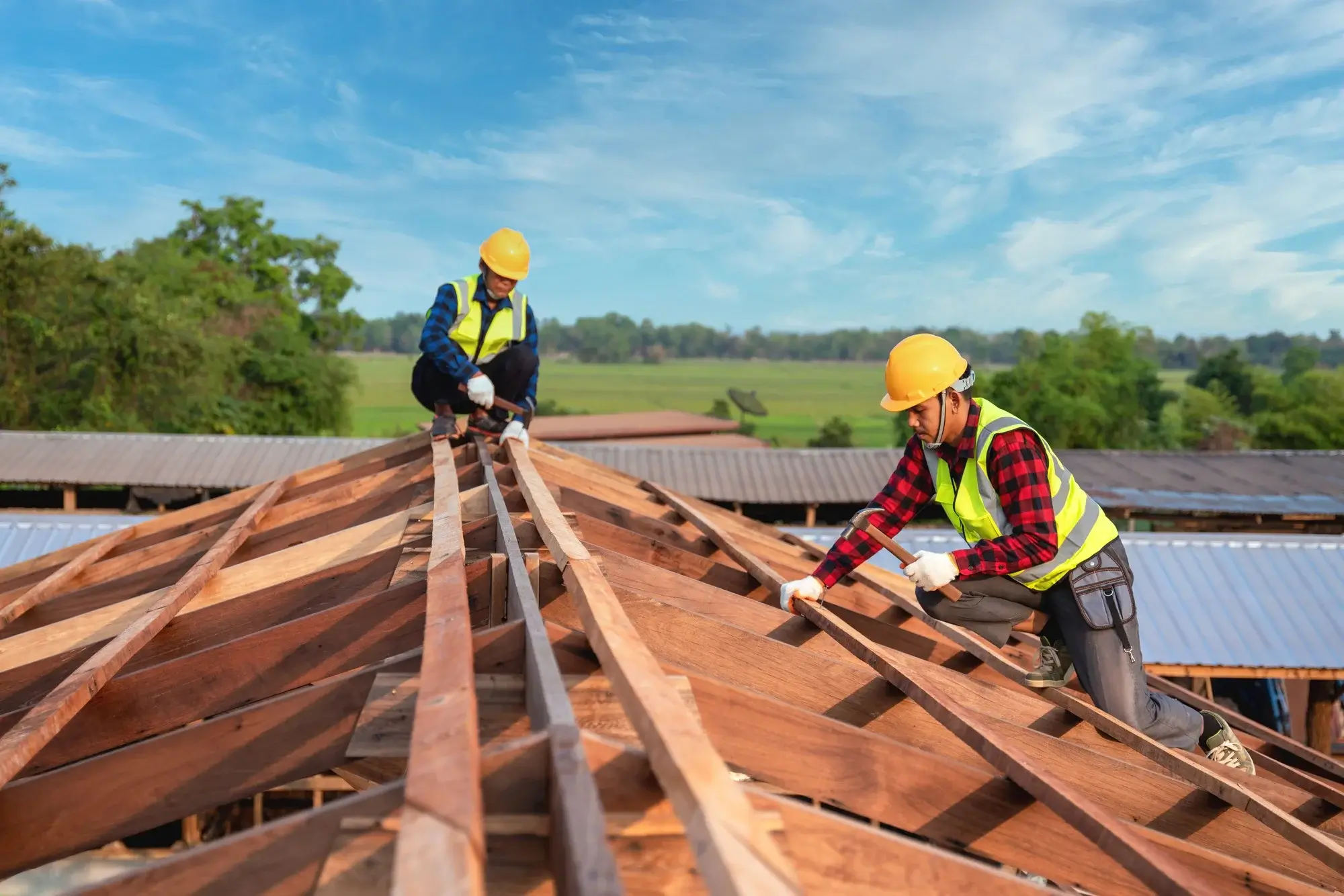
Roofing is inherently dangerous work involving heights, steep slopes, and heavy materials. Professional crews use safety harnesses, guardrails, and specialized footwear to prevent falls. As a homeowner, your role in safety is to keep children and pets away from the work zone. Falling debris is a real hazard during the “tear-off” phase, so maintain a safe distance until the work is complete.
Roofing Materials and Installation Methods
Roofing Materials
The market offers a wide array of options to suit different climates and budgets:
- Asphalt Shingles: The most common and affordable option, available in various colors.
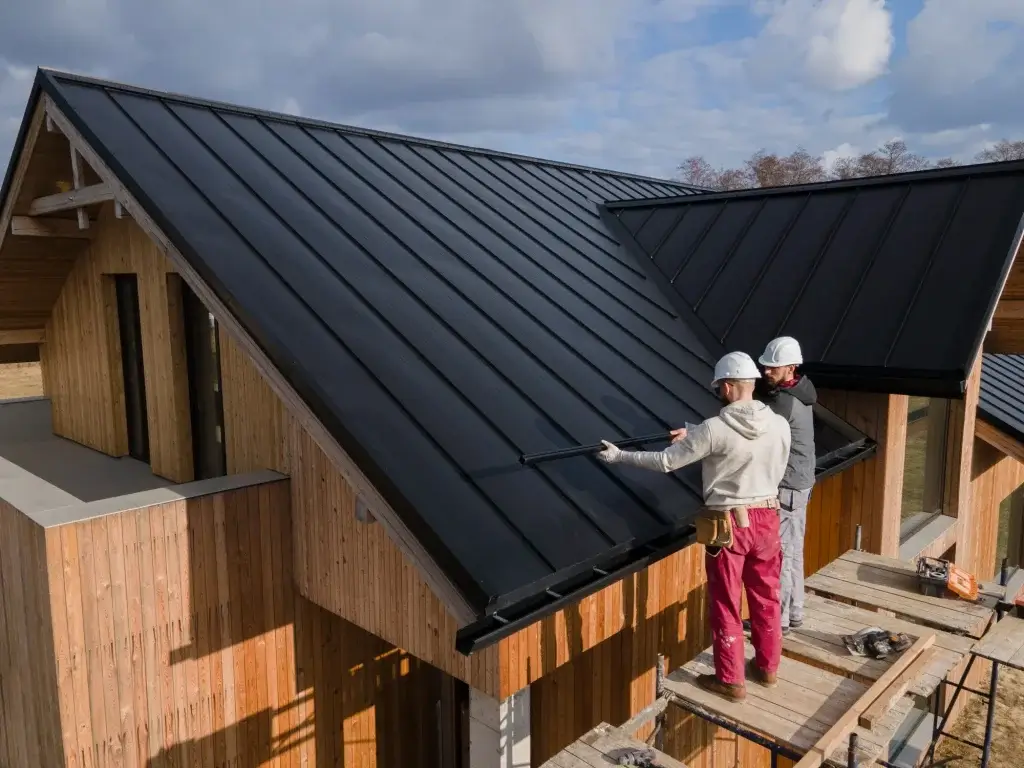
- Metal Roofing: Durable and energy-efficient, though more expensive upfront.
- Slate and Tile: Extremely long-lasting and distinctively beautiful, but heavy and costly.
- Wood Shakes: Offer a natural look but require more maintenance to prevent rot and fire hazards.
Roofing Materials and Process
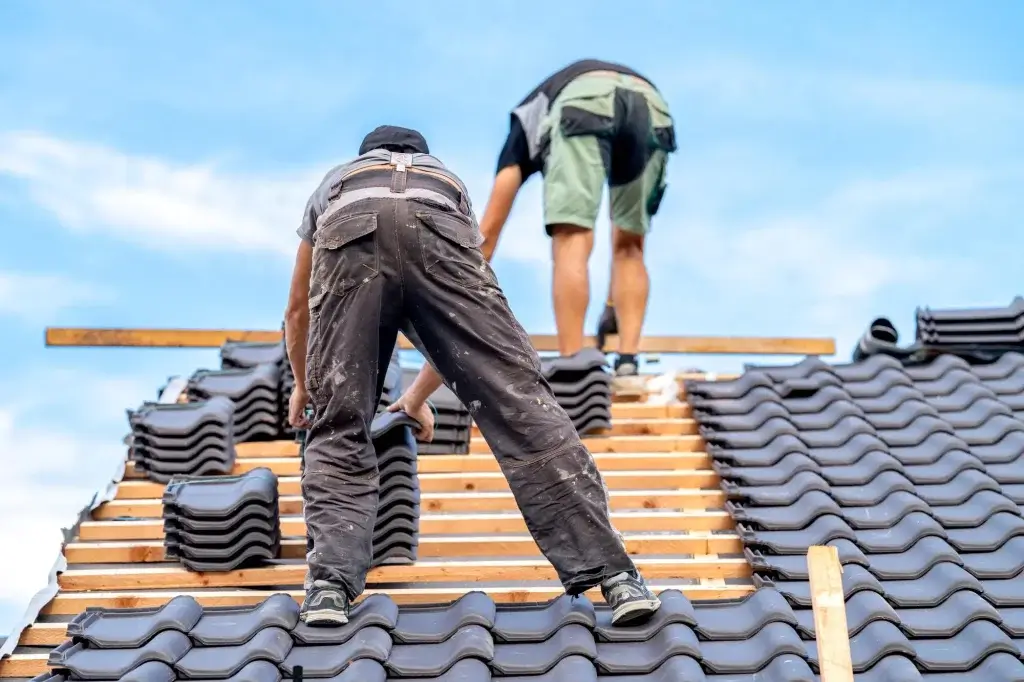
The material you choose dictates the installation process. Asphalt shingles are nailed down in overlapping rows. Metal roofing comes in large panels or shingles and requires specific fasteners and snow guards. Slate and tile require a reinforced roof deck to handle the extra weight. Understanding these differences helps you appreciate the labor costs associated with different materials.
New Roof Installation Methods 101
There are generally two main methods for installation:
- Tear-off: The existing roof is completely removed, exposing the deck. This allows roofers to inspect for wood rot and ensures the new roof lays flat. This is the preferred method for quality and longevity.
- Overlay (reroofing): New shingles are installed directly over the old ones. While cheaper, it can trap heat, shorten the lifespan of the new shingles, and hide underlying structural issues.
Roof Installation Process – Step by Step
Roof Installation Steps
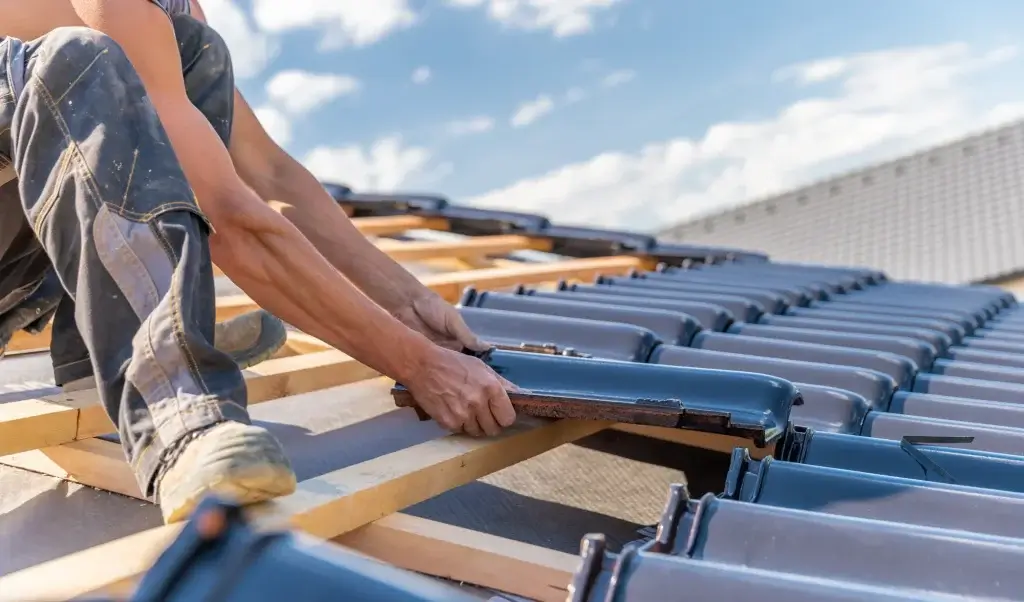
A systematic approach ensures a watertight result. The general workflow involves protection, removal, preparation, and installation. Skipping steps or rushing the process can lead to leaks and voided warranties.
1. Removing the Old Roof During a New Roof Installation
The crew uses “shingle forks” to rip up the old shingles and felt paper. This is the messiest part of the job. Debris is thrown directly into a dumpster. Once the deck is bare, the team inspects the plywood sheathing for soft spots or rot. Any damaged wood is replaced to provide a solid nailing surface.
2. Preparing the Roof for Shingles
Before a single shingle is laid, the deck must be prepped. Metal drip edges are installed along the eaves and rakes to prevent water from curling under the shingles. This directs water efficiently into the gutters.
3. Installing Underlayment
Underlayment creates a secondary barrier against moisture. An ice and water shield (a self-sealing waterproof membrane) is applied to the eaves, valleys, and around penetrations like chimneys. This protects against ice dams and wind-driven rain. The rest of the roof is covered with a synthetic or felt underlayment.
Installing Roof Shingles
1. Placing Shingles During a New Roof Installation Process
Installation typically starts at the bottom edge and works upward. Starter strips are installed first to seal the edges. Shingles are then nailed down in a staggered pattern. This overlapping technique ensures that water runs over the surface without finding a seam to penetrate.
2. Addressing Roof Valleys When Installing Roof Shingles
Valleys—where two roof slopes meet—handle high volumes of water. They require special attention. Open valleys use a metal flashing down the center for maximum durability, while closed-cut valleys weave the shingles together. Properly flashing these areas is critical to preventing leaks.
3. Finishing Touches on Roof Shingle Installation
The final steps involve installing ridge caps along the peak of the roof. These specially designed shingles cover the gap where the two slopes meet, allowing for ventilation while keeping water out. All vents and pipes are sealed with flashing and roofing cement.
Tools, Costs, and Practical Considerations
Tools for Roof Shingle Installation
Professionals use specialized tools to ensure speed and accuracy:
- Pneumatic Nail Guns: For consistent nailing depth and efficiency.
- Air Compressors: To power the nail guns.
- Chalk Lines: To ensure straight rows of shingles.
- Roofing Knives: With hook blades for cutting thick shingles.
- Safety Harnesses: For fall protection.
The Average Cost of the Roof Installation Process
Costs vary significantly based on location, roof size, pitch (steepness), and materials. Generally, you can expect to pay between $3.50 and $5.50 per square foot for standard asphalt shingles. A typical 2,000-square-foot roof might cost between $7,000 and $12,000. Premium materials like metal or slate will be substantially higher.
Last-Minute Roof Installation Tips
- Check the weather: Roofing requires dry conditions.
- Verify permits: Ensure your contractor has pulled necessary building permits.
- Ask about warranties: Understand the difference between manufacturer material warranties and contractor workmanship warranties.
Roof Replacement Records and FAQs
Public Records for Roof Replacement
In many jurisdictions, a roof replacement requires a building permit, which becomes a matter of public record. This is beneficial for homeowners. It provides proof that the work was done to code, which is a valuable asset when selling your home. You can usually access these records through your local municipal building department.
Roof Replacement Process: Frequently Asked Questions
1. How long does a roof installation take?
An average-sized home usually takes 1 to 3 days, depending on weather and complexity.
2. Can I stay home during the installation?
Yes, but be prepared for significant noise. If you work from home or have small children/pets, you might prefer to leave during work hours.
3. What happens if it rains during installation?
Professional roofers monitor weather closely. If unexpected rain occurs, they will tarp the exposed areas immediately to protect your home.
Client Services and Next Steps
Professional Roofing Installation Services
Hiring a professional service ensures that your roof is installed according to manufacturer specifications and local building codes. Professionals bring the manpower, equipment, and expertise to handle unexpected structural issues that a DIY approach cannot address.
What Sets a Trusted Roofing Contractor Apart
Look for contractors who are licensed, bonded, and insured. A trusted roofer will provide a detailed written estimate, not just a verbal quote. They will have a local physical address, good reviews on independent platforms, and certifications from major shingle manufacturers. Transparency in communication is the hallmark of a reliable partner.
Ready to Start Your Roofing Installation Project?
Investing in a new roof is investing in the longevity of your home. It provides peace of mind during storms and improves energy efficiency year-round. Don’t wait until a small leak becomes a major structural disaster.
Call to Action – Contact Us, Get in Touch, Schedule a Consultation
Is your roof showing signs of age? Don’t leave your home unprotected. Contact the experts at Perrault Construction today to schedule a comprehensive roof inspection and consultation. We’ll help you navigate your options and provide a clear, no-obligation estimate for your project. Let’s secure your home together.