Understanding the Importance of Roof Fall Protection
-
Understanding Fall Hazards on Commercial Roofs
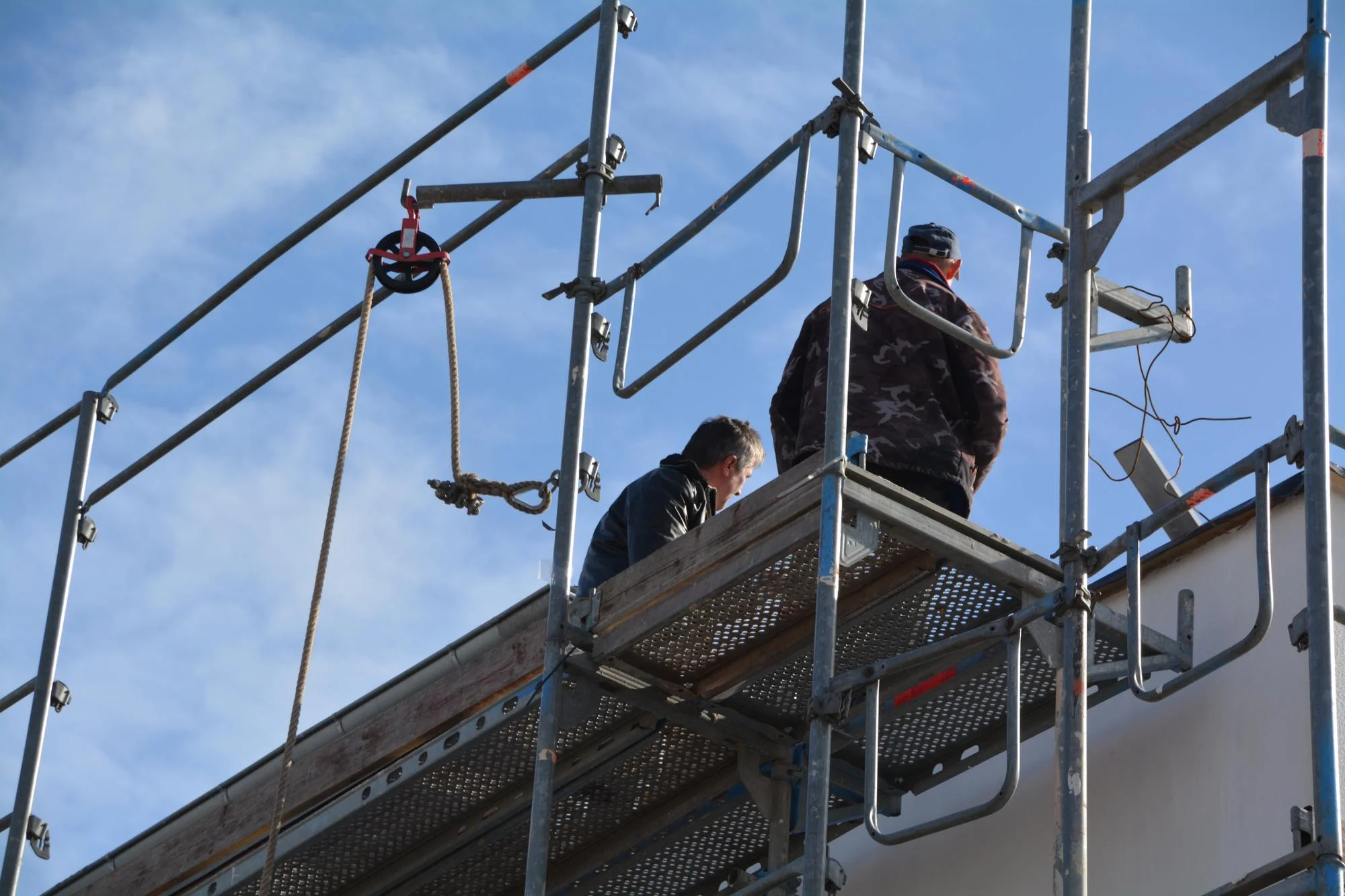
Commercial roofs present unique dangers that aren’t always visible from the ground. Unlike residential roofs, which often have steep slopes that clearly signal danger, commercial roofs are frequently flat or low-slope. This can create a false sense of security for workers. Hazards include unprotected roof edges, skylights that may not support a person’s weight, roof hatches left open, and tripping hazards like conduit or ductwork. Weather conditions such as wind, rain, or ice further amplify these risks, turning a routine inspection into a potential accident. Understanding these specific hazards is the first step in prevention.
-
At What Height Is Fall Protection Required?
The requirement for fall protection isn’t a suggestion; it is a strict regulation determined by potential fall distance.
A. Overview of common risk thresholds
In general industry, OSHA requires fall protection at elevations of four feet. However, in the construction industry—which covers most roofing work—the trigger height is six feet above a lower level. This means if a worker is on a roof that is six feet or higher off the ground, a fall protection system must be in place. It is crucial to note that some local regulations or specific company policies may require protection at even lower heights.
B. Why fall protection is critical for roofing and exterior work
Falls remain the leading cause of death in the construction industry. Beyond the devastating human cost, falls result in significant project delays, increased insurance premiums, and potential legal liabilities. Implementing robust fall protection measures ensures that roofing and exterior professionals can perform their tasks with confidence and focus, rather than worrying about their footing.
Types of Roof Fall Protection Systems

-
What Is the Difference Between a Personal Fall Arrest System and a Fall Restraint?
While they may look similar, these two systems serve fundamentally different purposes. A Fall Restraint System acts like a leash; it physically prevents the worker from reaching the edge of the roof or a fall hazard. It is a preventative measure. A Personal Fall Arrest System (PFAS), on the other hand, is designed to catch a worker who has already fallen. It stops the fall in mid-air before the worker strikes a lower level. Restraint is generally preferred because it prevents the fall from happening in the first place, whereas arrest systems are necessary when workers must operate near the edge.
-
Rooftop Fall Safety Solutions
Safety solutions vary based on the roof type and the frequency of access required. Permanent guardrails offer passive protection that doesn’t require active participation from the worker (like clipping on a harness). Walkway pads provide a designated safe path and prevent slips. For temporary work, mobile anchor points or warning line systems can demarcate safe zones. The best solution often involves a hierarchy of controls, starting with eliminating the hazard and moving toward active protection systems.
-
Leading Edge Safety Systems for Roofs
“Leading edge” work refers to construction where the edge of the floor, roof, or deck changes location as additional sections are placed. This is particularly dangerous because the anchorage point is often at foot level behind the worker. Leading edge safety systems utilize specialized self-retracting lifelines (SRLs) designed to withstand the sharp impact of falling over an unfinished edge. Standard equipment may fail if subjected to the cutting force of a structural edge during a fall, making these specialized systems mandatory for such environments.
Components of an Effective Fall Protection Setup
-
The Parts of a Personal Fall Protection System
A complete Personal Fall Arrest System is often remembered by the “ABC” mnemonic: Anchor, Body Support, and Connector.
1. Anchors
The anchor point is the secure attachment point for the connecting device. It must be capable of supporting at least 5,000 pounds per employee attached, or it must be designed, installed, and used under the supervision of a qualified person with a safety factor of at least two. Anchors can be permanent (bolted to the structure) or temporary (weighted carts or straps).
2. Harnesses
The full-body harness is the component worn by the worker. It distributes fall forces over the upper thighs, pelvis, chest, and shoulders to minimize injury during fall arrest. A proper harness will have a dorsal D-ring (on the back) for fall arrest and may have side D-rings for positioning.
3. Connectors and lifelines
The connector links the harness to the anchor. This is typically a shock-absorbing lanyard or a self-retracting lifeline (SRL). These devices absorb the energy of the fall to reduce the impact force on the body to safe levels (under 1,800 pounds).
-
How Many People Can Safely Anchor to One Roof?
This depends entirely on the design of the anchor system. A single-point anchor typically supports only one worker. However, horizontal lifeline systems—cables stretched between two anchors—can often support multiple workers simultaneously. Using a single anchor for multiple people without manufacturer approval is dangerous; if one person falls, the sudden force could dislodge the anchor or destabilize the other workers. Always consult a qualified professional’s analysis.
Fall Protection Harnesses and Anchoring Systems

-
Fall Protection Harnesses and Safety for Roofers
For roofers, comfort and mobility are essential alongside safety. Harnesses designed specifically for roofing often feature extra padding, quick-connect buckles, and stain-resistant webbing. Some include trauma straps, which allow a suspended worker to stand up in their harness to relieve pressure on the legs and prevent suspension trauma while awaiting rescue.
-
How to Use a Roof Safety Harness
A harness is only effective if worn correctly.
Proper fitting and inspection
Before every use, the harness must be inspected for cuts, fraying, or chemical damage. To fit it properly, the dorsal D-ring should sit between the shoulder blades. Leg straps should be tight enough that you cannot slide an open hand between the strap and your leg, but loose enough to slide flat fingers in. Chest straps should sit across the mid-chest.
Common mistakes to avoid
- Twisted straps: Reduces the strength of the webbing.
- Loose leg straps: In a fall, loose straps can ride up and cause severe groin injuries.
- Using expired equipment: Harnesses typically have a lifespan of 5 years; check the tag.
- Modifying equipment: Never write on webbing with markers (unless approved) or poke extra holes in straps.
Regulatory Standards and Compliance
-
OSHA Regulations Specific to Commercial Roofing
OSHA regulations (specifically 29 CFR 1926.501) mandate that employers must provide fall protection. For low-slope roofs, this can include guardrail systems, safety net systems, or personal fall arrest systems. In some cases, a warning line system combined with a safety monitor is permitted, but this is strictly regulated.
Key compliance requirements
Compliance isn’t just about gear; it’s about training. Employers must certify that workers have been trained to recognize fall hazards. Equipment must be inspected before each use, and a rescue plan must be in place—calling 911 is often not a sufficient rescue plan for a suspended worker.
Employer and contractor responsibilities
The employer is responsible for assessing the workplace to determine if the walking/working surface has the structural integrity to support employees. They must provide the equipment at no cost to the worker and ensure compliance is enforced.
Implementing Roof Fall Protection Effectively

-
Practical Steps for Implementing Fall Protection
Safety doesn’t happen by accident; it requires a deliberate process.
1. Jobsite planning
Before a ladder is climbed, a Job Hazard Analysis (JHA) should be performed. Identify where the fall hazards are, determine what system is best suited for the specific roof geometry, and locate suitable anchor points.
2. System selection
Choose the right tool for the job. A restraint system is better for inspection work, while a fall arrest system provides the mobility needed for installation or repair.
3. Ongoing inspections and training
Toolbox talks should cover fall protection regularly. Equipment that fails inspection must be immediately removed from service and destroyed to prevent accidental use.
-
Rooftop Projects
Special considerations for repairs, replacements, and installations
During roof replacements (tear-offs), the roof deck itself may be compromised. Fall protection plans must account for the possibility of falling through the roof, not just off the edge. Additionally, debris management chutes and staging areas must be guarded to protect workers dumping materials.
Ensuring Long-Term Rooftop Safety
-
Ensuring Rooftop Safety: Your Next Steps
Safety is an ongoing commitment.
Maintenance and system upgrades
Permanent anchors and horizontal lifelines require annual inspections by a qualified person. As roofing technologies change, fall protection systems should be upgraded to meet current standards.
When to consult professionals
If you are unsure about the structural capacity of an anchor point or the compliance of a specific setup, consult a safety engineer or a certified fall protection specialist. Guesswork is not an option when lives are at stake.
Why Professional Roofing Contractors Matter

-
Trusted by Leading Fall Arrest System Providers
Importance of certified installation and proven safety practices
Professional contractors invest in safety cultures and ensure their teams are certified in the installation and use of complex safety systems. Hiring a professional contractor means hiring a team that understands the gravity of fall hazards and has the proven protocols to mitigate them, protecting both their workers and the property owner from liability.
Roof Safety and Exterior Remodeling with Perrault Construction
-
Ideal Building Solutions: Leading by Example in Fall Protection
Commitment to jobsite safety and craftsmanship
Perrault Construction believes that high-quality craftsmanship cannot exist without a foundation of safety. We adhere to strict safety protocols on every job site, ensuring that our team returns home safely and your project proceeds without incident. Our commitment to safety reflects our respect for our trade and our clients.
-
High-Performance Materials Built for Harsh Northern Climates
Durable roofing systems
We specialize in installing roofing systems designed to withstand the brutal temperature swings and heavy snow loads of the North. Our materials are chosen for durability and performance.
Exterior siding options
Our exterior solutions extend beyond the roof. We offer premium siding options that provide superior insulation and weather resistance, keeping your home protected and energy-efficient.
Energy-efficient windows and doors
Complete your building envelope with high-performance windows and doors that reduce drafts and lower heating costs, all installed with the same attention to detail as our roofing projects.
-
Customized Roofing and Exterior Solutions
Personalized roofing colors, materials, and designs
Your home is unique, and your roof should be too. We work with you to select materials and colors that enhance your property’s aesthetic while providing maximum protection.
Custom decks and tailored remodeling solutions
From rooftop decks to exterior renovations, we provide tailored remodeling solutions that blend functionality with design, all built on a framework of structural integrity and safety.
-
Storm Damage Repair and Insurance Claim Support
Damage assessment
When storms hit, Perrault Construction is there. We provide thorough, safety-focused damage assessments to identify all issues, including those hidden from the untrained eye.
Working directly with insurance providers
We simplify the restoration process by working directly with your insurance provider, ensuring your claim is handled fairly and efficiently.
Restoring and strengthening homes for future resilience
Our goal isn’t just to fix the damage; it’s to build back better, ensuring your home is more resilient against future weather events.
-
Warranties That Protect Your Investment
10-Year Labor Warranty
We stand behind our workmanship with a robust 10-year labor warranty, giving you peace of mind long after the project is complete.
Manufacturer warranties
We partner with respected manufacturers to offer strong warranties on materials, ensuring comprehensive coverage for your investment.
Why Turn to Perrault Construction for Roofing and Exterior Projects
1. Over 50 years of experience
With half a century of service, we have seen every roofing challenge imaginable. Our longevity is a testament to our reliability and quality.
2. Deep understanding of Duluth-area weather conditions
We don’t just work here; we live here. We understand exactly what a Duluth winter demands of a roof, and we build accordingly.
3. Trusted service across Minnesota and Wisconsin
Our reputation for safety and excellence extends across state lines, making us the trusted choice for homeowners throughout the region.
Get Started with a Safer, Stronger Roof
Are You a Homeowner Looking to Install, Replace, or Repair a Roof?
Contact Us | Request a Quote | Get a Free Estimate
- On-site consultation
Don’t compromise on safety or quality. Contact Perrault Construction today to discuss your roofing needs.
- Serving Duluth, MN and surrounding areas
Whether you need a minor repair or a complete replacement, our team is ready to deliver superior results with safety as our top priority. Reach out now to secure your home.