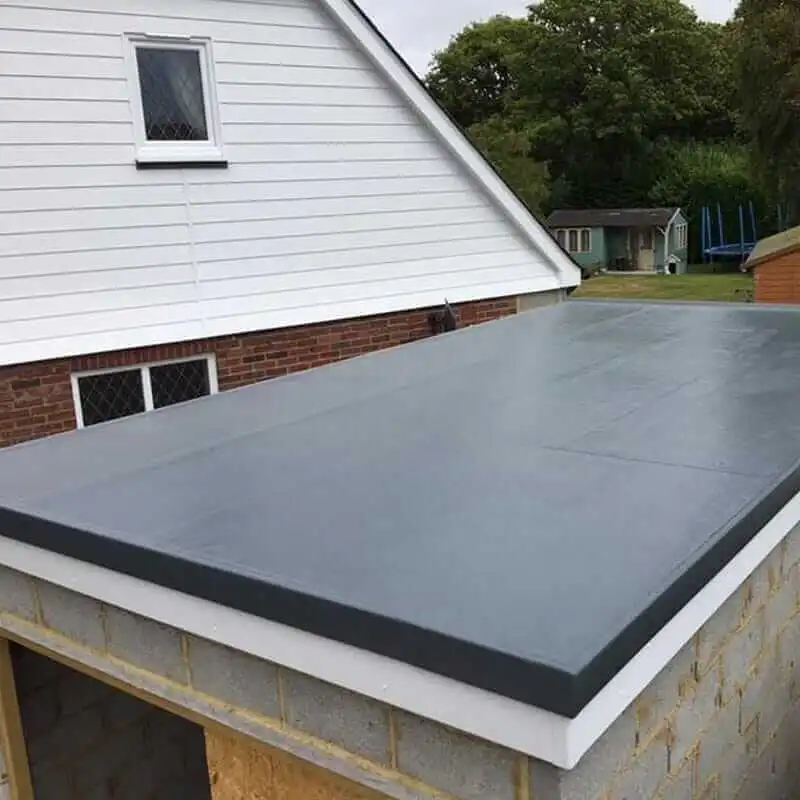
When problems with your flat roof start to affect your home or business, trust the specialists at Perrault Construction. Get your FREE estimate today and benefit from our professional flat roofing contractor services.
Services
Full-Scale Roofing Services
New roof installation
Reroofing
New or existing construction
Tear-off and replacement
Built-up flat roofs
Membrane and damp proofing
Tar, asphalt, and gravel roof work
We provide roofing for residences, businesses, schools, churches, industrial institutions, and barns. We work with top products from industry leaders like Firestone, Conklin, and Flexion. Contact us today!
What is the best type of flat roofing for Duluth MN climate?
The best type of flat roofing for the Duluth, MN climate is a durable material like TPO or EPDM, which can withstand harsh winters and heavy snowfall while providing excellent insulation and energy efficiency.
What is the average cost of a flat roof installation?
The average cost of a flat roof installation typically ranges from $3 to $5 per square foot, depending on materials and labor. For an accurate estimate, it's best to consult with a professional contractor like Perrault Construction.
Can flat roofing contractors in Duluth MN provide references?
Flat roofing contractors in Duluth, MN can provide references upon request. These references typically include past clients who can attest to the quality of their work and customer service.
What services do flat roofing contractors in Duluth MN offer?
Flat roofing contractors in Duluth, MN offer a variety of services, including flat roof installation, repairs, maintenance, and inspections for residential, commercial, and institutional properties.
How to find reliable flat roofing contractors in Duluth MN?
Finding reliable flat roofing contractors in Duluth, MN, involves researching local companies, checking online reviews, and asking for recommendations. Additionally, ensure they are licensed, insured, and offer warranties for their work to guarantee quality service.
What are the signs of a leaking flat roof?
The signs of a leaking flat roof include water stains on ceilings or walls, damp spots, mold growth, and visible pooling of water on the roof surface. Additionally, you may notice increased energy bills due to poor insulation.
How long does a flat roof typically last?
The lifespan of a flat roof typically ranges from 15 to 30 years, depending on the materials used, installation quality, and maintenance practices. Regular inspections and timely repairs can help extend its longevity.
Are flat roofing contractors in Duluth MN licensed and insured?
Flat roofing contractors in Duluth, MN, are required to be licensed and insured to operate legally. This ensures that they meet industry standards and provides protection for both the contractors and their clients.
Is flat roofing a good option for my home near me?
Flat roofing can be a great option for your home, especially if you're looking for a modern, cost-effective solution. It offers durability, easy maintenance, and can be suitable for various climates, making it ideal for your area.
What types of flat roofing materials do Duluth contractors use?
Duluth contractors use a variety of flat roofing materials, including EPDM rubber, TPO, PVC, modified bitumen, and built-up roofing systems, each offering unique benefits for durability and insulation tailored to local weather conditions.
Can flat roofing contractors in Duluth MN handle emergency repairs?
Flat roofing contractors in Duluth, MN, can indeed handle emergency repairs. They are equipped to respond quickly to urgent issues, ensuring your flat roof is restored and protected promptly.
Is flat roofing suitable for commercial buildings near me?
Flat roofing is indeed suitable for commercial buildings in your area. It offers durability, cost-effectiveness, and efficient water drainage, making it an ideal choice for various commercial properties.
What is the best waterproofing method for flat roofs?
The best waterproofing method for flat roofs is the application of a high-quality membrane system, such as EPDM, TPO, or PVC, which provides excellent durability, flexibility, and resistance to UV rays and weathering.
Do flat roofing contractors in Duluth MN provide free estimates?
Flat roofing contractors in Duluth, MN, typically provide free estimates for their services. This allows property owners to understand the costs associated with installation or repairs before making a decision.
What is the cost of flat roofing installation near me?
The cost of flat roofing installation near you varies based on factors such as the size of the roof, materials used, and labor rates. For an accurate estimate, it's best to contact Perrault Construction for a free consultation.
What are the benefits of flat roofing near my location?
The benefits of flat roofing near your location include cost-effectiveness, easy maintenance, and efficient drainage. Additionally, flat roofs are ideal for maximizing usable space, making them a practical choice for various properties in Duluth.
How long do flat roofing projects in Duluth MN typically take?
The duration of flat roofing projects in Duluth, MN, typically ranges from a few days to a week, depending on the project's size and complexity. Factors such as weather conditions and material availability can also influence the timeline.
What is the difference between TPO and PVC flat roofing?
The difference between TPO and PVC flat roofing lies in their composition and performance. TPO is a single-ply membrane known for its energy efficiency and cost-effectiveness, while PVC offers superior durability and chemical resistance, making it ideal for more demanding environments.
What are the benefits of EPDM flat roofing systems?
The benefits of EPDM flat roofing systems include their durability, weather resistance, and low maintenance requirements. They are cost-effective, energy-efficient, and provide excellent insulation, making them a popular choice for both residential and commercial properties.
What is the average cost of flat roofing in Duluth MN?
The average cost of flat roofing in Duluth, MN, typically ranges from $3 to $6 per square foot, depending on the materials used and the complexity of the installation. For a precise estimate, it's best to consult with a local contractor.
What maintenance is required for flat roofs?
The maintenance required for flat roofs includes regular inspections for damage, cleaning debris, checking drainage systems, and ensuring proper sealing of seams and joints. Timely repairs can extend the lifespan of the roof and prevent costly issues.
How do I choose flat roofing materials?
Choosing flat roofing materials involves considering factors like durability, climate compatibility, and budget. Evaluate options such as TPO, EPDM, and PVC based on their performance and warranty to find the best fit for your property.
What warranties do flat roofing contractors offer?
Flat roofing contractors typically offer warranties that cover both materials and workmanship. These warranties can range from a few years to several decades, depending on the roofing system and contractor, ensuring protection against defects and providing peace of mind for property owners.
Can flat roofing improve energy efficiency?
Flat roofing can enhance energy efficiency by providing better insulation and reflecting sunlight. This reduces heating and cooling costs, making it a smart choice for environmentally conscious property owners.
What are common flat roofing installation mistakes?
Common flat roofing installation mistakes include inadequate drainage, improper sealing of seams, neglecting to use the right materials, and failing to account for temperature fluctuations. These errors can lead to leaks and reduced roof lifespan.
How to prepare for flat roof installation?
Preparing for flat roof installation involves ensuring the area is clear of debris, accessible, and that any necessary permits are obtained. Additionally, discussing your specific needs with the contractor will help streamline the process.
What is the lifespan of different flat roofing types?
The lifespan of different flat roofing types varies significantly. Generally, TPO roofs last about 15-20 years, EPDM roofs can last 20-30 years, and PVC roofs may last up to 30 years or more with proper maintenance.
How do weather conditions affect flat roofing?
Weather conditions significantly impact flat roofing. Extreme temperatures, heavy rain, and snow can affect the materials' durability, leading to potential leaks, damage, or decreased lifespan. Proper installation and regular maintenance are essential to mitigate these effects.
What are the best practices for flat roof drainage?
The best practices for flat roof drainage include ensuring proper slope for water runoff, maintaining clear drainage pathways, and regularly inspecting and cleaning gutters and drains to prevent clogs.
How to identify a qualified flat roofing contractor?
Identifying a qualified flat roofing contractor involves checking their credentials, such as licensing and insurance, reviewing customer testimonials, and ensuring they have experience with flat roofing systems. Additionally, request detailed estimates and warranties to gauge their professionalism.
flat roofing contractors near me, flat roofing near me, flat roofing contractor near me, flat roof specialists near me, flat roofing companies near me, flat roof contractor near me, flat roof specialist near me, flat roof repair contractor, flat roofing services, roofing contractor for flat roofs, flat roof installation contractor, flat roof installation near me, fibreglass roofers near me, roofing contractor duluth mn, roofing contractor duluth, residential roofing contractors near me
Types of Flat Roofing Systems
Understanding the various types of flat roofing systems is essential for homeowners and business owners looking to install or replace their roofs. Each type of flat roofing material offers unique benefits, durability, and aesthetic appeal, allowing property owners to choose the best option for their specific needs.
Common types of flat roofing systems include built-up roofs (BUR), single-ply membranes, and modified bitumen. Built-up roofs consist of multiple layers of asphalt and felt, providing excellent waterproofing. Single-ply membranes, such as TPO and EPDM, are lightweight and energy-efficient, while modified bitumen roofs offer added flexibility and resistance to extreme weather conditions.
Benefits of Flat Roofs
Flat roofs are increasingly popular due to their numerous benefits, including cost-effectiveness, ease of installation, and low maintenance requirements. These roofs can also provide additional functional space, such as rooftop gardens, patios, or solar panel installations, making them a versatile choice for many property owners.
Moreover, flat roofs are often more energy-efficient than pitched roofs, as they can accommodate insulation materials more effectively. Their design allows for easy drainage, reducing the risk of water pooling and subsequent damage. Additionally, flat roofs can be more accessible, making maintenance tasks simpler and safer.
Flat Roof Installation Process
The flat roof installation process involves several critical steps to ensure a durable and long-lasting roof. This process typically begins with a thorough inspection of the existing structure, followed by the removal of any old roofing materials. Proper preparation is essential for a successful installation.
Once the surface is prepared, the chosen roofing material is installed according to manufacturer specifications. This may include applying a waterproof membrane, adding insulation, and sealing edges to prevent leaks. After installation, a final inspection is conducted to ensure quality and compliance with local building codes.
Maintenance Tips for Flat Roofs
Regular maintenance is crucial for extending the lifespan of flat roofs and preventing costly repairs. Property owners should conduct periodic inspections to identify any signs of damage, such as cracks, blisters, or pooling water. Prompt attention to these issues can help avoid more significant problems down the line.
In addition to inspections, routine cleaning is essential to remove debris, leaves, and dirt that can trap moisture and lead to deterioration. It is also advisable to clear gutters and downspouts to ensure proper drainage. Scheduling professional maintenance services annually can provide peace of mind and maintain the integrity of the roof.